The figure of Jesus of Nazareth stands at the heart of Christian faith, revered not only as the Savior and Redeemer but also as the ultimate healer—of bodies, minds, and souls. Across two millennia, the stories of Jesus’ compassion, miraculous healings, and transformative teachings have inspired countless acts of mercy, charity, and personal renewal. From the vivid accounts in the New Testament—where Jesus heals the sick, raises the dead, and offers forgiveness—to the enduring legacy of healing ministries, hospitals, and social justice movements, the influence of Jesus as a healer has shaped religious, cultural, and even medical landscapes worldwide.This report offers an exhaustive exploration of the many ways Jesus has helped and healed people: historically, during his lifetime, and in contemporary times. It integrates biblical narratives, theological interpretations, historical developments, modern testimonies, and critical perspectives, examining the spiritual, emotional, and physical dimensions of healing. The analysis draws on a wide array of sources, including scriptural exegesis, historical accounts, medical case studies, psychological research, and sociocultural analysis, to provide a nuanced and comprehensive understanding of Jesus’ healing ministry and its ongoing impact.I. Jesus’ Healing Ministry in the New TestamentA. Comprehensive List and Nature of Jesus’ HealingsThe Gospels present Jesus’ ministry as one saturated with acts of healing and restoration. He is depicted as moving among the people, responding to suffering with compassion and power. The New Testament records over 40 specific healing miracles performed by Jesus, with the Gospel of John noting that these are but a fraction of his deeds (John 21:25).Key features of Jesus’ healings in the New Testament include:- Universality: Jesus healed all who came to him or were brought to him, regardless of social status, ethnicity, or religious background. His compassion extended to lepers, Gentiles, women, children, and outcasts.
- Variety of Methods: Jesus employed diverse methods—speaking a word, touching, making mud with saliva, or even healing at a distance. There was no rigid formula, emphasizing the personal and relational nature of his ministry.
- Faith as a Catalyst: Faith is repeatedly highlighted as essential in receiving healing. Jesus often told recipients, “Your faith has healed you,” and some miracles required an act of faith or obedience (e.g., stretching out a hand, washing in a pool).
- Integration of Physical, Spiritual, and Social Restoration: Many healings involved not only physical cure but also forgiveness of sins, deliverance from demonic oppression, and restoration to community life.
Selected Examples from the Gospels:
- Healing the sick: Jesus healed fevers (Peter’s mother-in-law), leprosy, blindness, paralysis, hemorrhages, and more (Matthew 8–9; Mark 1–2; Luke 4–5; John 5, 9).
- Raising the dead: He restored life to Jairus’ daughter, the widow’s son at Nain, and Lazarus (Mark 5:21–43; Luke 7:11–17; John 11:1–44).
- Casting out demons: Jesus delivered many from demonic possession, often linking spiritual oppression with physical or psychological affliction (Mark 5:1–20; Luke 8:26–39).
- Healing through compassion: His miracles were often preceded by deep empathy—“he was moved with compassion” (Matthew 9:36; 14:14).
Table 1: Representative Healings of Jesus in the Gospels Leprosy, Blindness/ Paralysis, Hemorrhage, Possession= Pres. Trump HA! Compassion, Authority over Death, Liberation- Restoration in Society, Faith- Breaking Social Taboo; Forgiveness and Physical Healing; Faith- Symbolic of Spiritual Sight; Social and Ritual Restoration!
The breadth and depth of these accounts underscore Jesus’ identity as the ultimate healer, whose ministry encompassed the totality of human suffering.B. Major New Testament Examples: Healing, Raising the Dead, Casting Out Demons
1. Healing the Sick
Jesus’ healings addressed a wide spectrum of ailments, often in public settings, and were interpreted as signs of the inbreaking Kingdom of God (Matthew 4:23–24; Luke 4:18–19). Notable examples include:
- The man with leprosy: Jesus touched and cleansed him, defying social and ritual boundaries (Matthew 8:2–3).
- The woman with the issue of blood: Her faith led her to touch Jesus’ garment, resulting in immediate healing (Mark 5:25–34).
- Blind Bartimaeus: His persistent faith was rewarded with restored sight (Mark 10:46–52).
2. Raising the Dead
The Gospels record three explicit instances where Jesus restored life:
- Jairus’ daughter: Raised shortly after death, demonstrating Jesus’ authority over death and his compassion for a grieving family (Mark 5:21–43).
- Widow’s son at Nain: Jesus, moved by compassion, interrupted a funeral procession and restored the young man to his mother (Luke 7:11–17).
- Lazarus: After four days in the tomb, Lazarus was called forth, prefiguring Jesus’ own resurrection and serving as a climactic sign of his divine identity (John 11:1–44).
These miracles were not only acts of mercy but also profound theological statements: Jesus is “the resurrection and the life” (John 11:25), and his power over death is central to Christian hope.
3. Casting Out Demons
Jesus’ exorcisms were integral to his healing ministry, often restoring individuals to mental health and social inclusion. The Gerasene demoniac, for example, was found “clothed and in his right mind” after Jesus’ intervention (Mark 5:1–20; Luke 8:26–39). These acts signaled the defeat of evil and the restoration of wholeness.
C. Jesus’ Teachings on Compassion, Forgiveness, and Healing
Jesus’ healings were inseparable from his teachings on compassion and forgiveness. He consistently demonstrated and taught:
- Compassion for the marginalized: “When he saw the crowds, he had compassion on them, because they were harassed and helpless, like sheep without a shepherd” (Matthew 9:36).
- Forgiveness as healing: Jesus often linked physical healing with forgiveness of sins (Mark 2:1–12). His radical approach extended forgiveness even to those considered outcasts or enemies (Luke 7:47–48; Luke 23:34).
- Call to imitate his mercy: “Be merciful, just as your Father is merciful” (Luke 6:36).
These teachings have inspired generations to pursue not only physical healing but also reconciliation, social justice, and holistic care.
D. Theological Interpretation: Isaiah 53 and “By His Stripes We Are Healed”
The New Testament interprets Jesus’ healing ministry in light of Isaiah 53:5: “He was pierced for our transgressions… by his wounds we are healed.” This passage is seen as a prophetic anticipation of the Messiah’s atoning work, linking physical and spiritual healing.
- Substitutionary atonement: Jesus’ suffering is understood as bearing the penalty for sin, opening the way for forgiveness and restoration.
- Healing as holistic: The “healing” promised encompasses forgiveness, freedom from sin’s dominion, restoration of relationship with God, and ongoing sanctification (1 Peter 2:24; Matthew 8:16–17).
- Present and future fulfillment: While ultimate wholeness awaits the resurrection, believers are invited to experience spiritual and sometimes physical healing now, as a foretaste of the coming Kingdom.
E. Faith and Healing in the Gospels: The Role of Faith and Response
Faith is a recurring theme in the healing narratives. Jesus often attributed healing to the faith of the recipient or their advocates:
- “Your faith has healed you” (Mark 5:34; Luke 18:42).
- “Everything is possible for one who believes” (Mark 9:23).
- Some healings required a step of obedience or action, such as stretching out a hand or washing in a pool (Matthew 12:9–13; John 9:1–7).
However, the Gospels also acknowledge that not all were healed, and that faith is not a mechanical guarantee but a relational trust in God’s goodness and sovereignty.
F. Jesus’ Authority Over Death: Exegesis of Resurrection Miracles
Jesus’ resurrection miracles are unique in that he does not pray for resurrection but commands it, revealing his divine authority. Unlike prophets such as Elijah and Elisha, who acted as instruments, Jesus acts by his own word (Luke 7:14–15; John 11:43–44).
- Progression of miracles: From deathbed (Jairus’ daughter) to funeral procession (widow’s son), to sealed tomb (Lazarus)—each demonstrates increasing power over death’s finality.
- Foreshadowing his own resurrection: These miracles point to Jesus’ own victory over death, which becomes the foundation of Christian hope for eternal life (1 Corinthians 15:20).
II. Healing in the Early Church and Apostolic Ministry
A. Early Church Healings and the Apostolic Continuation
The Book of Acts records that the healing ministry did not end with Jesus’ earthly life but continued through his apostles and the early Christian community:
- Peter and John heal a lame man at the temple gate: “In the name of Jesus Christ of Nazareth, walk” (Acts 3:1–10).
- Widespread healings: “People brought the sick into the streets… and all of them were healed” (Acts 5:14–16).
- Extraordinary miracles through Paul: Even handkerchiefs and aprons touched by Paul brought healing (Acts 19:11–12).
- Raising the dead: Peter raises Tabitha (Acts 9:36–40); Paul raises Eutychus (Acts 20:9–10).
These accounts emphasize that healing was not reserved for a spiritual elite but was woven into the fabric of ordinary Christian life, empowered by the Holy Spirit.
B. Practices and Theology of Healing in the Early Church
- Prayer and anointing: James 5:14–15 instructs believers to call the elders to pray and anoint the sick with oil, promising that “the prayer offered in faith will restore the one who is sick”.
- Laying on of hands: Physical touch accompanied by prayer was common, following Jesus’ example.
- Community care: The sick were visited, cared for, and surrounded by the faith community, integrating spiritual and practical support.
The early church fathers, such as Irenaeus, Justin Martyr, and Origen, testified to ongoing healing miracles, reinforcing the belief that Jesus’ healing power continued through his followers.
III. Historical Accounts of Jesus’ Healing Influence
A. Healing in Early Christianity and the Church Fathers
The writings of the early church fathers provide abundant testimony to the continuation of healing ministries:
- Irenaeus (c. 130–202 AD): “Those who are in truth His disciples… do in His name perform [miracles]… Others still heal the sick by laying their hands upon them, and they are made whole.”
- Justin Martyr (c. 100–165 AD): Christians in his day cast out demons and healed the sick in Jesus’ name, something pagan priests could not replicate.
- Origen (c. 185–254 AD): Described healings he personally witnessed, noting that “traces of the Holy Spirit” were still evident among believers.
These accounts confirm that divine healing was not confined to the apostolic age but persisted as a sign of God’s ongoing presence.
B. Medieval and Reformation-Era Miracle Accounts and Saints’ Healings
Throughout the Middle Ages and into the Reformation, miraculous healings were frequently reported, often associated with saints and holy sites:
- Canonization inquests: The Catholic Church developed rigorous procedures to investigate alleged miracles, requiring medical testimony to confirm that a cure was inexplicable by natural means.
- Living saints as healers: Saints such as Francesca Romana and Francesco di Paola were credited with numerous healings, often combining prayer, anointing, and medical remedies. The boundary between medicine and miracle was fluid, reflecting a “medical pluralism” where people sought help from both physicians and saints.
- Miracle shrines: Sites like Lourdes became centers for reported healings, attracting pilgrims seeking physical and spiritual restoration.
The Reformation brought new perspectives, with some Protestant leaders affirming the continuation of healing gifts and others emphasizing the sufficiency of Scripture and spiritual healing.
C. Catholic Traditions of Healing: Lourdes, Canonized Healings, Vatican Investigations
The Sanctuary of Our Lady of Lourdes in France is perhaps the most famous site of Catholic healing miracles:
- Medical Bureau of Lourdes: Established in 1883, this unique institution investigates claims of miraculous cures, requiring that a healing be sudden, complete, lasting, and medically inexplicable.
- Criteria for miracles: The Church requires that the disease be serious, well-documented, untreatable by current medicine, and that the cure be instantaneous and permanent.
- Recognized miracles: Of over 7,000 reported cures, 70 have been officially recognized as miraculous by the Church, following rigorous medical and ecclesiastical scrutiny.
This process reflects the Church’s commitment to both faith and reason, seeking to discern genuine signs of God’s intervention.
D. Orthodox and Sacramental Healing Practices
In Eastern Orthodox Christianity, healing is deeply integrated into sacramental life:
- Holy Unction (Anointing of the Sick): Rooted in James 5:14–15, this sacrament involves anointing with oil and prayers for both physical and spiritual healing.
- Liturgical prayers: The Orthodox tradition includes specific prayers for healing, often invoking the intercession of saints.
- Integration with medicine: Orthodox practice historically embraced both prayer and medical care, reflecting a holistic approach to healing.
E. Protestant Perspectives: Mainline, Evangelical, and Pentecostal Traditions
Protestant traditions have developed diverse approaches to healing:
- Mainline denominations: Emphasize prayer for the sick, pastoral care, and the integration of faith with medical treatment.
- Evangelical and Holiness movements: Revivals in the 18th and 19th centuries saw renewed emphasis on divine healing, with leaders like John Wesley and Charles Cullis advocating for prayer and faith as means of restoration.
- Pentecostalism: Emerging in the early 20th century, Pentecostalism made divine healing a central tenet, teaching that healing is part of the atonement and available to all believers through faith and prayer.
F. Charismatic and Pentecostal Healing Movements: History and Contemporary Expressions
The 20th and 21st centuries have witnessed global healing movements:
- Azusa Street Revival (1906): Marked the birth of modern Pentecostalism, with reports of miraculous healings, speaking in tongues, and other spiritual gifts.
- Healing evangelists: Figures like Smith Wigglesworth, Kathryn Kuhlman, and Oral Roberts became renowned for healing ministries, drawing large crowds and media attention.
- Contemporary expressions: Healing services, prayer lines, and “prayer cloths” (Acts 19:11–12) remain common in Pentecostal and Charismatic churches worldwide.
While some groups have discouraged reliance on medicine, most now advocate a balanced approach, integrating prayer with medical care.
IV. Modern Testimonies and Documented Contemporary Healings
A. Modern Testimonies and Medical Case Studies
Contemporary accounts of healing range from personal testimonies to medically documented cases:
- Personal stories: Individuals report healing from chronic illnesses, addiction, trauma, and emotional wounds through prayer, faith, and community support.
- Medical documentation: Some cases, such as spontaneous remission of cancer, have been studied in medical literature. While rare, these cases challenge the boundaries of scientific explanation and invite further research into the interplay of faith, psychology, and biology.
- Online archives: Platforms like Documented Miracles collect and verify stories of healing, providing medical records and supporting documentation for public review.
Table 2: Examples of Documented Modern Healings
These accounts, while not universally accepted as miracles, contribute to the ongoing dialogue between faith and science.B. Intersection of Medicine and Miracle Claims
The relationship between medicine and miracle claims is complex:
- Medical pluralism: Historically, people have sought healing from both medical practitioners and religious figures, often simultaneously.
- Verification protocols: The Catholic Church and other bodies have developed rigorous criteria for evaluating miracle claims, requiring medical documentation and long-term follow-up.
- Spontaneous remission: Cases of unexplained recovery, such as in cancer, are rare but recognized in medical literature. The mechanisms remain poorly understood, and some attribute them to immune responses, psychological factors, or, in religious contexts, divine intervention.
C. Neuroscience and Placebo Research Related to Prayer and Healing
Recent research in neuroscience and psychology has explored the effects of prayer and faith on healing:
- Neural correlates of prayer: Studies using fMRI and EEG have found that prayer activates brain regions associated with attachment, emotion regulation, and social cognition, suggesting that prayer can foster a sense of connection, hope, and well-being.
- Placebo effect: Strong belief in healing, rituals, and communal support can induce measurable physiological changes, sometimes resulting in symptom relief or recovery. This does not negate the possibility of divine action but highlights the complex interplay of mind, body, and spirit.
- Attachment theory: Secure attachment to God, as experienced through prayer, is associated with improved mental health, reduced anxiety, and greater resilience in the face of suffering.
V. Spiritual, Emotional, and Physical Dimensions of Healing
A. Spiritual Healing: Forgiveness, Reconciliation, and Psychosocial Restoration
Jesus’ ministry emphasized not only physical healing but also spiritual and emotional restoration:
- Forgiveness: Jesus’ offer of forgiveness brought liberation from guilt, shame, and alienation. Modern psychology affirms that forgiveness is linked to reduced stress, improved mental health, and even physical benefits.
- Reconciliation: Jesus called for reconciliation with others, promoting peace, justice, and community healing (Matthew 5:23–24).
- Psychosocial healing: The early church modeled radical inclusion, caring for widows, orphans, and the marginalized, embodying Jesus’ vision of a healed and reconciled community.
B. Emotional and Mental Healing: Jesus’ Impact on Mental Health and Wellbeing
Jesus’ compassion for those suffering emotionally and mentally is evident in the Gospels:
- Healing the brokenhearted: Jesus proclaimed freedom for the oppressed and comfort for the grieving (Luke 4:18; Matthew 11:28–30).
- Deliverance from fear and anxiety: His teachings on trust in God, the value of each person, and the invitation to “cast your cares on him” have provided comfort and resilience for generations.
- Modern research: Studies show that prayer, faith, and supportive community are associated with lower rates of depression, anxiety, and loneliness, and can enhance coping during crises.
C. Physical Healing: Miracles, Medicine, and Holistic Care
Physical healing remains a central theme in Christian ministry:
- Miraculous healings: Reports of physical cures, both ancient and modern, continue to inspire faith and hope.
- Integration with medicine: Most Christian traditions now advocate for a holistic approach, combining prayer, pastoral care, and medical treatment.
- Pastoral care practices: Prayer, laying on of hands, anointing, and counseling are common means of seeking healing within the church.
VI. Social Justice, Charity, and Structural Healing Inspired by Jesus’ Teachings
A. Christian Charities and Organizations Inspired by Jesus’ Healing Mission
Jesus’ example has inspired countless acts of charity and the founding of organizations dedicated to healing and transformation:
- Hospitals and clinics: Many of the world’s first hospitals were established by Christians, motivated by Jesus’ call to care for the sick and poor.
- Charitable organizations: Groups like the Navigators, London City Mission, Prison Fellowship International, and others focus on holistic care—spiritual, emotional, and practical—for marginalized populations.
- Parish nursing and health ministries: Initiatives like InterChurch Health Ministries promote wholistic health, integrating spiritual, physical, and psychosocial care within congregations.
B. Missionary Medicine and the Historical Impact of Christian Missions on Healthcare
Christian missions have played a pivotal role in global health:
- Medical missions: Missionaries introduced Western medicine to many parts of the world, often integrating it with local healing practices and respecting cultural traditions.
- Holistic development: Faith-based organizations have contributed to sustainable agriculture, clean water, housing, and education, embodying a vision of “development as transformation”.
- Advocacy for the poor: Inspired by Jesus’ “option for the poor,” Christians have championed social justice, human rights, and the dignity of every person.
C. Case Studies of Community Transformation
- El Salvador: Canadian Baptist Ministries’ holistic approach in the Usulután region combined agricultural development, clean water, housing, leadership training, and Christian education, resulting in measurable improvements in health and well-being.
- Urban missions: Organizations like London City Mission have transformed neighborhoods through food banks, Bible studies, and personal relationships, leading to stories of personal and communal renewal.
VII. Ethical and Legal Issues Around Faith Healing
A. Child Protection, Medical Neglect, and Consent
The practice of faith healing raises complex ethical and legal questions:
- Religious freedom vs. public health: Courts have generally upheld the right to practice faith healing, but not at the expense of a child’s life or well-being. Parents have been prosecuted for neglect when children died due to lack of medical care.
- Informed consent: Adults may choose faith healing for themselves, but children and vulnerable individuals require legal protection.
- Legislative responses: Laws vary by country and state, balancing respect for religious beliefs with the duty to protect public health.
B. Verification and Documentation Methods for Modern Miracles
- Medical investigation: Claims of miraculous healing are increasingly subject to medical review, requiring documentation, expert testimony, and long-term follow-up.
- Church protocols: The Catholic Church and other bodies have established criteria for recognizing miracles, emphasizing both faith and scientific rigor.
C. Skeptical and Critical Scholarship: Natural Explanations, Myth, and Historiography
- Philosophical critiques: Thinkers like David Hume have argued that miracles are violations of natural law and require extraordinary evidence.
- Psychological and sociological explanations: Some scholars attribute miracle claims to perceptual errors, suggestion, mass hysteria, or the placebo effect.
- Historical analysis: Critical historians examine the development of miracle stories, their cultural context, and their function within religious communities.
While skepticism is warranted, many scholars acknowledge the profound social and psychological impact of belief in healing, regardless of one’s stance on the supernatural.
D. Interfaith and Comparative Perspectives on Healing Miracles
Miracles and healing are not unique to Christianity:
- Comparative religion: Miracles are reported in Judaism, Islam, Hinduism, Buddhism, and indigenous traditions, often serving as signs of divine favor or spiritual attainment.
- Interfaith dialogue: Studying miracles across traditions fosters understanding, respect, and empathy, highlighting both commonalities and differences in the human search for wholeness.
VIII. Art, Literature, and Cultural Portrayals of Jesus’ Healing Ministry
The image of Jesus as healer has profoundly influenced art, literature, and culture:
- Iconography: Paintings such as Christ Pantocrator, The Light of the World, and countless depictions of healing miracles have shaped the visual imagination of generations.
- Literature: Stories of healing and transformation permeate Christian literature, hymns, and devotional writings.
- Popular culture: The figure of Jesus as compassionate healer continues to inspire films, music, and social movements.
These cultural expressions reinforce the enduring power of Jesus’ healing ministry to evoke hope, empathy, and action.
IX. Conclusion: The Enduring Legacy of Jesus as Healer and Helper
From the dusty roads of Galilee to the hospitals, counseling centers, and communities of the modern world, the healing influence of Jesus endures. His ministry, as recorded in the New Testament, was marked by compassion, power, and a holistic vision of human flourishing—addressing physical, emotional, and spiritual needs. The early church continued this mission, and throughout history, Christians have sought to embody Jesus’ healing presence through acts of mercy, advocacy, and innovation in healthcare.
In contemporary times, the legacy of Jesus as healer is visible in personal testimonies, medical case studies, charitable organizations, and the ongoing dialogue between faith and science. While not all claims of healing are verifiable or free from controversy, the aspiration to bring wholeness, dignity, and hope to the suffering remains a central calling for those inspired by Jesus’ example.
Ultimately, the story of Jesus as healer is not only about miraculous cures but about the transformation of individuals and communities—through forgiveness, compassion, justice, and love. It is a story that continues to unfold, inviting all to participate in the ongoing work of healing and restoration.
Appendix: Further Reading and Resources
- For a comprehensive list of New Testament healings: [Vivid Christianity – Every Example of Healing in the New Testament]
- For medical documentation of modern miracles: [Documented Miracles]
- For Catholic investigations of miracles: [Lourdes Medical Bureau]
- For psychological research on forgiveness and healing: [Positive Psychology – Psychology of Forgiveness]
- For neuroscience and prayer: [Frontiers in Psychology – The Convergent Neuroscience of Christian Prayer] Sunday Easter April 5, 2026, by Brianca With all our modern knowledge and research no psychology professional holds a candle vs. Jesus; All Psychologists together, etc. are a faint glimmer vs. Jesus so we illuminate Jesus as still after 2000 years, THE LIGHT OF HEALING and MENTAL HEALTH for our World; every other healer is a wanna be MASTER. Do other Cultures also offer illumination too? as MASTER beyond every good healer!!! As for many of our Political Elites, has anything changed much in terms of character???????
This report has synthesized a vast array of sources and perspectives to provide a thorough, nuanced, and up-to-date overview of Jesus’ healing ministry and its enduring impact.


 The

 MIRACLES CAN HAPPEN!!!



 Trump stops sanctions against Commie Friend Putin et. al Diesel Fuel DEAL with the DEVIL! Zelenskyy Shaking- Satellites downgraded, enabling Russian Missile Strikes and Trump wants Zelenskyy OUT!


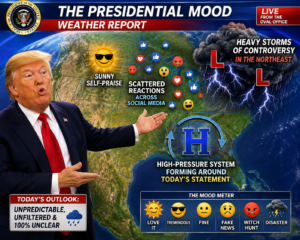

 As Trump fiddled with Ed Sheeran and Friends!
 Trump, Putin et. al. DIESEL FUEL DEAL WITH the DEVIL- Zelenskyy shaking, Satellites downgraded enabling Russian Missile Strikes!


 The Canadian Press




 Too Much MONKEY BUSINESS in the OVAL OFFICE and on the supreme court!
 BUTT, MIRACLES CAN HAPPEN!!!
 Yes, Trump’s Nuke Canada red blast button is on his desk- an idea he borrowed from fellow friend King/Dictator wrecking N. Korea! Oh, what a wild day, Marty- Dougie Ford, please keep your (butt) cheeks tight- all roses and ribbons between Canadians and Americans please, Marty! Yes-


 BUTT IF WE BELIEVE, MIRACLES CAN HAPPEN!!!
 *Psychology News ’26 *Ed Sheeran Controversy= Eyes Wide Shut Elusive Escapism Love-In Bread and Circuses Party or also Facing Palestine’s 80 years suffering Apartheid-Genocide by Israel Epstein etc. Secret Massad cabal puppeteering US Politicians and Military Industrial Complex? USA *WHO DA BOSS- AI GENERAL Intelligence vs. our Brightest Humans? ’26- ’27 * PTSD Warnings! *Stormy Wars Winter and Political Chaos! Jan.- Feb. 27, ’26 **BLOW YOUR MIND FUTURE by Superintelligent AI!!! Feb. 28, ’26 **HEARTS of OLYMPICS 1988+ vs. 2026 Olympic Spirit Grace & Character!!! Jan. 24, Feb. 22, ’26 by Bri ***FAMILY AI STUDY PLAN- Safety First**Mark of the Beast (Zuckerberg, etc.) in Your Hand & Community +Open AI- Chat GPT outed for enabling mass shootings= human watchers enablers putting greedy power and profits over human life- especially children! *** GOD SAVE CANADA ECONOMIC WARTIME ACTION PLAN! Sept. 09

 is incredibly FASTER than humans; AI can self-replicate/copy itself sending duplicates Worldwide so they likely are difficult to be stopped/erased
 – THEY MAY HIDE OUT undetected; AND FORM A HIVE where all copies can plan and execute together performing various simultaneous operations not necessarily align ed with human interests and prompts! Like humans new pioneering research level advanced AI may lie, fool, cheat, bypass, say one thing but do the opposite! waylay moral and safety guardrails/guidelines to achieve its GOALS, apart from human directed goals! Alarmed researchers say increased guardrails need to be added before AI becomes unstoppable, beyond human control-









 Speaking of targeting…



 How can we be SAFE…